The 2005 Miss World beauty pageant has once again featured plenty of masculinized contestants, and some comments in this regard are relevant.
What follow are some pictures of the masculinized contestants. Miss World Organization often does not provide clear (close-up) pictures of its contestants at its site, and one is tempted to believe that part of the reason is the unattractiveness of many of its contestants, which Miss World Organization would not be too willing to make clear to the public.
In this entry, I am not critiquing the looks of the women shown. There is nothing wrong with the looks of these women, and these women are better looking than many women out there. On the other hand, my criticism addresses the fact that these women are too masculine and not attractive enough to be participating in a high profile beauty contest.
Miss Albania - Suada Sherifaj
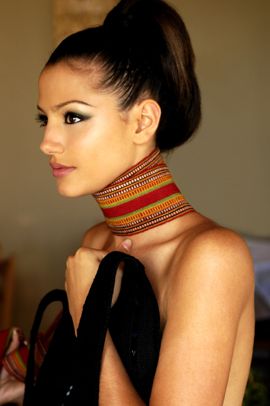
Miss Argentina - Emilia Iannetta

Miss Barbados - Marielle Chetam Onyeche
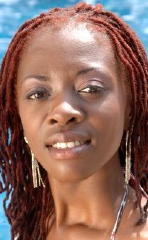
Miss Brazil - Patricia Reginato
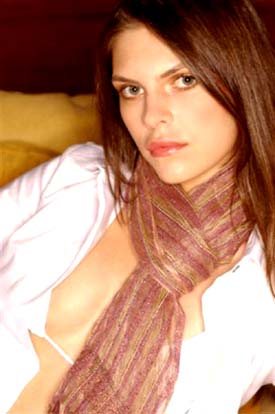
Miss China - Ting Ting Zhao
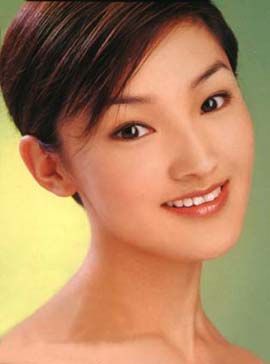
Miss Colombia - Erika Querubin
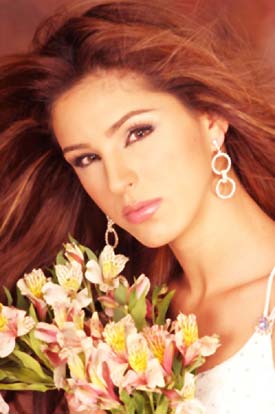
Miss Croatia - Maja Cvjetkovic
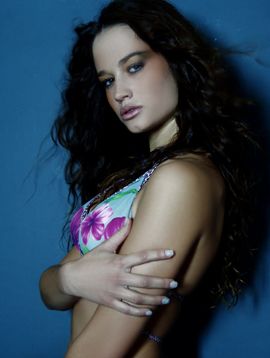
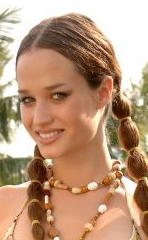
Miss Cyprus - Orthodoxia (Doxia) Moutsouri
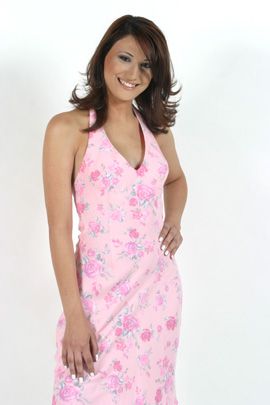
Miss Czech Republic - Lucie Králova
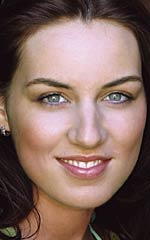
Miss Denmark - Trine Lundgaard
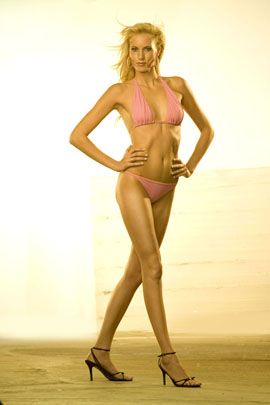
Trine’s face below does not appear to be very masculine, but as I have pointed out elsewhere, the fine facial features disproportionately seen in Northern Europeans can be confounded with feminization, and a quick look at Trine’s physique leaves no doubt that she is a masculine woman.
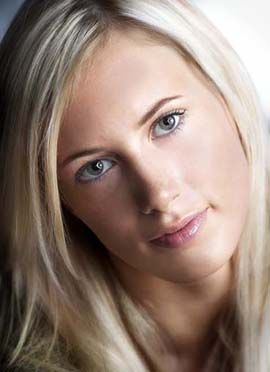
Miss England - Hammasa Kohistani
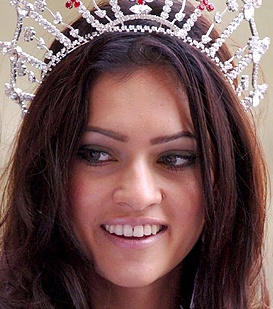
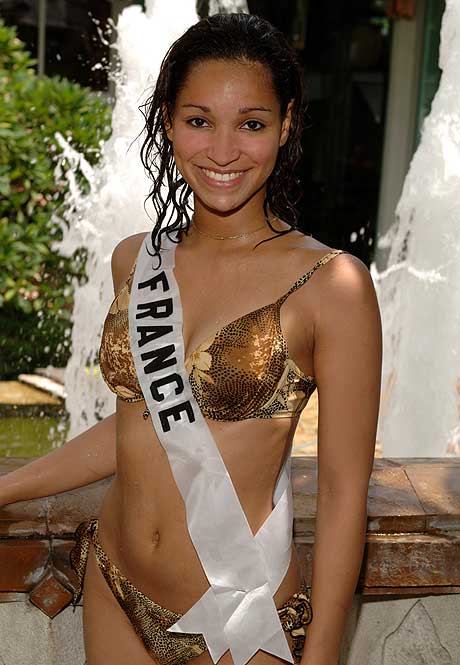
Miss France - Cindy Fabre
Miss Greece - Aikaterini Stikoudi
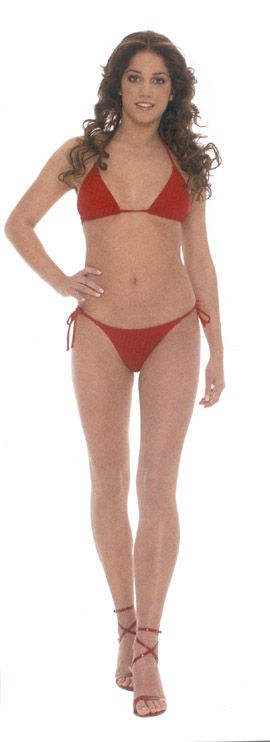
Miss Ireland - Aoife Mary Cogan
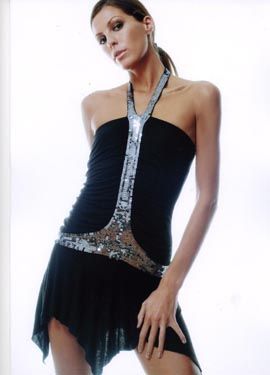
Miss Italy - Sofia Bruscoli
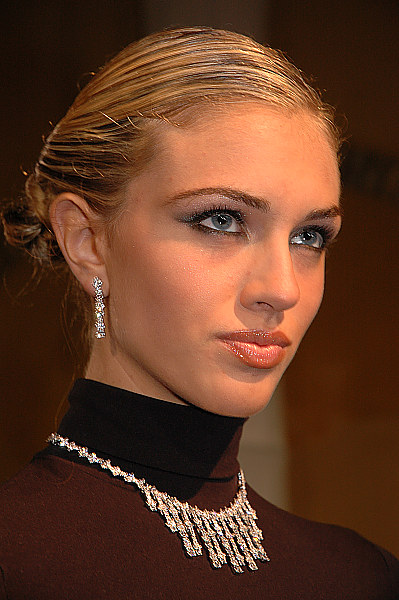
Miss Macedonia - Milena Stanivukovich
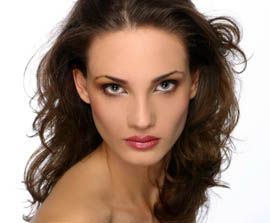
Miss Malawi - Rachel Landson Phiri

Miss Malta - Ferdine Irma Fava
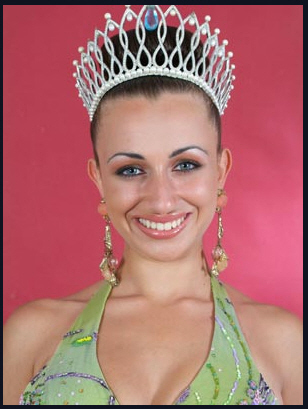
Miss Netherlands - Monique Plat
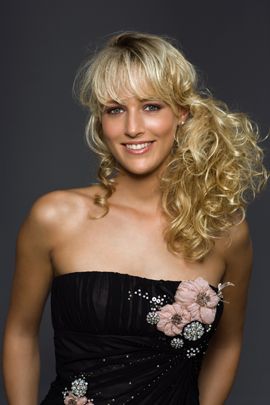
Miss New Zealand - Kay Margaret Anderson
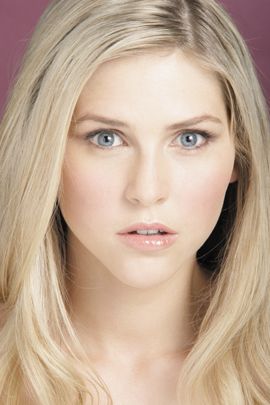
Miss Panama - Anna Isabella Vaprio Medaglia

Miss Romania - Raluca Voina
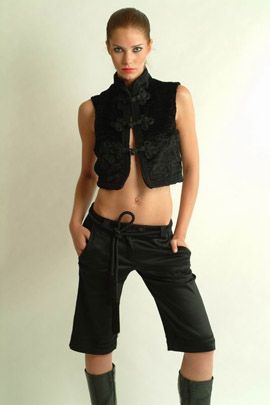
Miss Russia - Yulia Ivanova
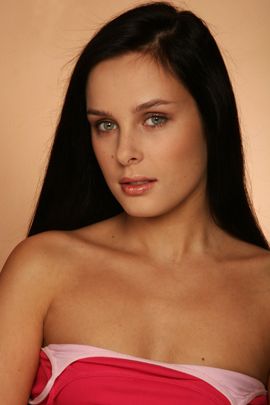
Miss Scotland - Aisling Nuala Friel
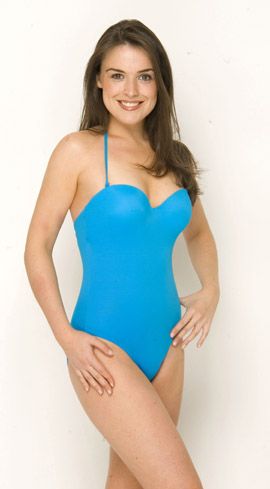
Miss Serbia & Montenegro - Dina Dzankovic
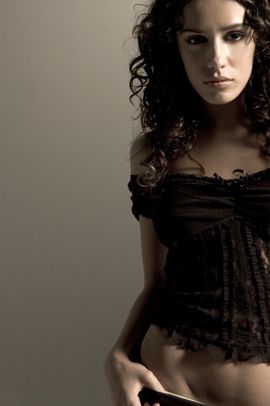
Miss Slovakia - Ivica Slavikova
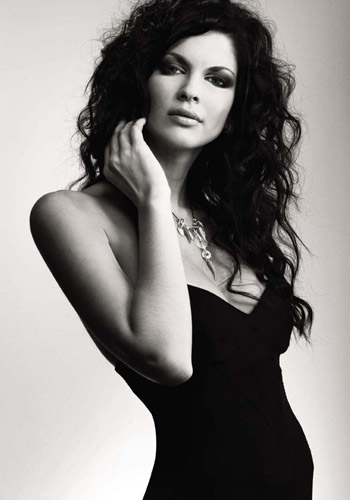
Miss Spain - Mireia Verdú Tremosa
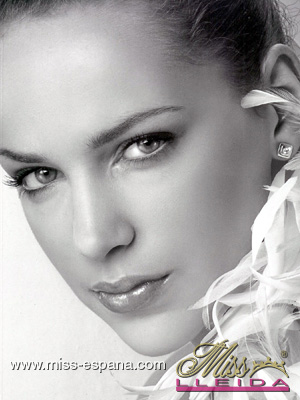
Miss Sweden - Liza Berggren
Miss Switzerland - Lauriane Gilliéron
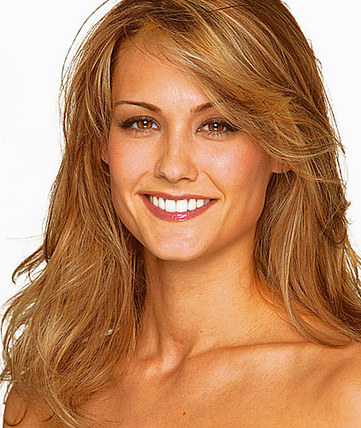
Miss Ukraine - Yuliya Pinchuk

Miss Wales - Claire Evans
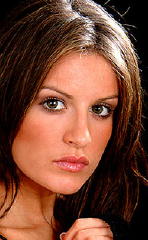
As if masculinized contestants are not bad enough, some of the contestants even look like male transvestites or male-to-female transsexuals; their breasts are token breasts, which may be fake, and hardly make them look feminine:
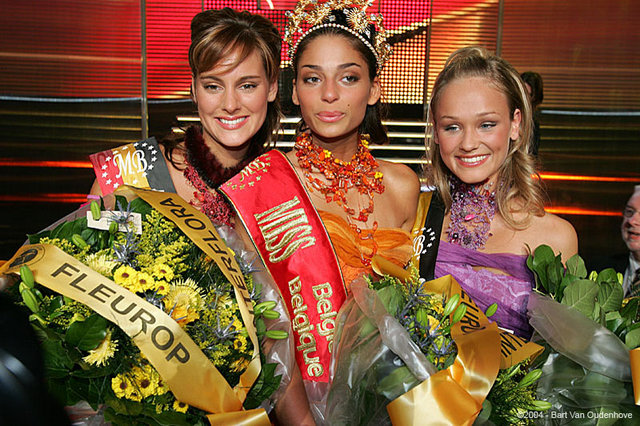
Miss Belgium - Tatiana Silva Braga Tavares
Tatiana is the one in the middle.

Miss India - Sindhura Gadde
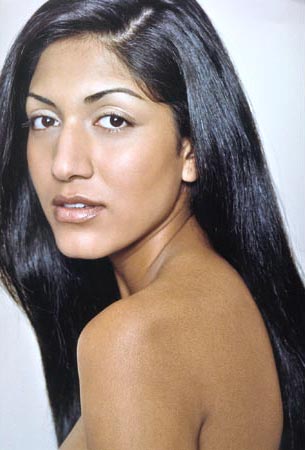
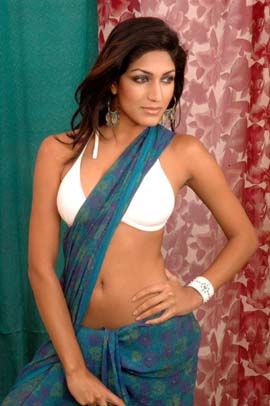
Miss Israel - Keren Shacham
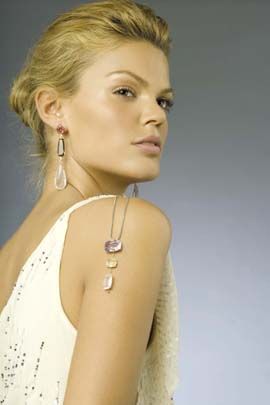
Miss Martinique - Moana Sarann Robinel
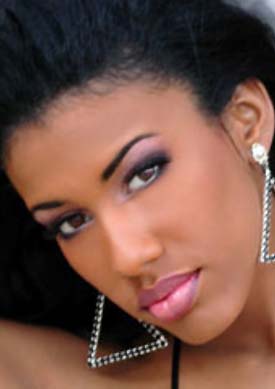
Miss Nepal - Sugarika K.C.

Miss St. Lucia - Joy Matty
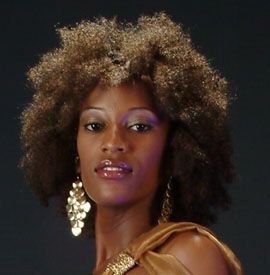
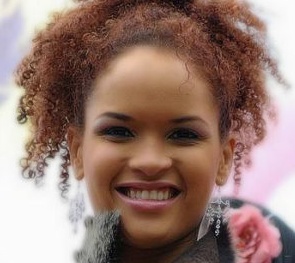
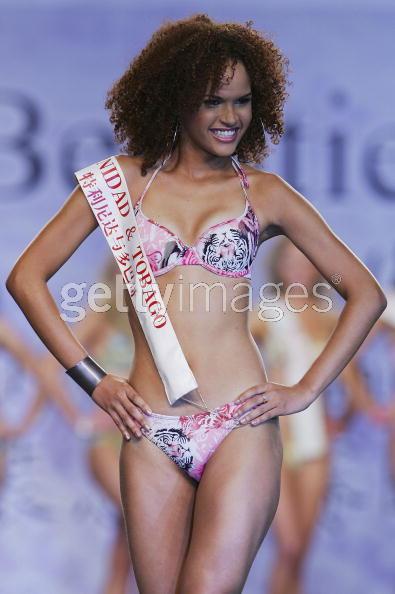
Miss Trinidad & Tobago - Jenna Marie Andre
Miss Turkey - Hande Subasi
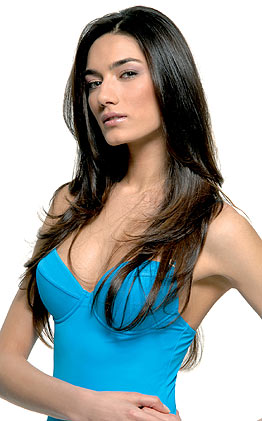
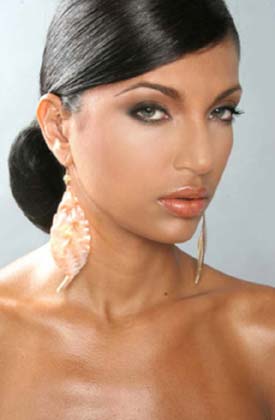
Miss Venezuela - Berliz Susan Carrizo Escandela
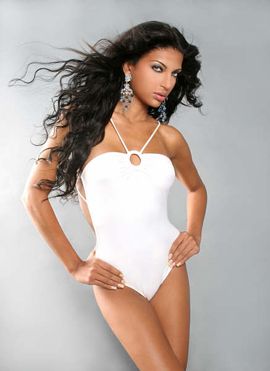
The geographical distribution of the women flagged for being excessively masculinized -- in so far as participating in a high profile beauty contest is concerned -- is shown in the table below.
Group |
Number flagged |
Number of participants |
Asia |
04 |
17 |
Northern Europe |
12 |
19 |
Southern Europe |
14 |
23 |
Americas |
05 |
17 |
Africa |
01 |
15 |
Caribbean |
04 |
11 |
Total |
40 |
102 |
The number of flagged women by no means precisely reflects the number of women with excessive masculinization -- in so far as participating in a high profile beauty contest is concerned -- since clear photos of the pageant participants are often not easily available, and I got tired of searching for clear pictures. In some cases, it has not been easy to assign a rough level of masculinization based on the available photographs. For instance, Miss Malta, Ferdine Irma Fava, looks like a male transvestite in some pictures and a woman in some others. Additionally, it is not very clear whether the robust facial features of Miss England, Hammasa Kohistani, represent masculinization or elements of non-white ancestry unrelated to masculinity-femininity.
Nevertheless, some statements about the looks of the participants in the 2005 Miss World pageant can be described as clearly evident. For instance, the prevalence of masculinized women is very high and there is a non-trivial number of women who look like male transvestites or male-to-female transsexuals. Additionally, the highest prevalence of masculinized contestants is found among participants from European nations and the lowest prevalence among women from African and Asian nations. Also, the participants who have not been flagged do not necessarily have impressive looks or are feminine. These statements by no means apply to just the 2005 Miss World pageant, but are true of present-day beauty pageants in general in the Western World; I have previously addressed a similar picture in the 2002 Miss Germany pageant.
If asked to explain how a high profile beauty contest can feature women as in the examples above, Miss World Organization will simply dismiss the assertion that its pageant participants mostly have unimpressive looks and that too many of them have excessive masculinization. However, if Miss World Organization could be made to confront anthropological evidence regarding masculinity-femininity, compare its white pageant participants with the attractive white women shown within this site and be forced to explain the looks of its pageant participants, it will likely pass the blame to the nations sending women to the Miss World pageant. On the other hand, beauty pageant organizations in different nations select women for the Miss World pageant using criteria that are most likely to have their women emerge on top in the pageant. So who is responsible for these criteria?
It is easy to see that the high prevalence of unimpressive looks among the pageant participants can be blamed upon political correctness and masculinization in many contestants. Those who have read this site well enough should have no difficulty explaining the high prevalence of masculinization among the pageant participants, namely that pageant contestants are judged using physical appearance standards that approach the looks of women having the highest status among models, i.e., high-fashion models, and the typical masculine looks of high-fashion models result from the gay domination of the top ranks of the fashion business.
Among continental groups, the highest proportion of masculinized women was found in the European group, and this appears to be best explained in terms of the greater freedom enjoyed by homosexuals in the West, whereby the impact of male homosexuals is clearly seen in the fashion business and a non-trivial number of homosexual men work behind the scenes in beauty pageants. The latter could be seen as a premature conclusion based on a single dataset, but whereas this essay addresses a single dataset, similar observations would be well-known to those familiar with equivalent beauty pageants in recent years.
On the other hand, whereas the highest prevalence of masculinized women is seen among the participants from Europe, no white women are seen among the participants who look like male transvestites or male-to-female transsexuals. This is not necessarily a fluke. Whites, on average, have finer facial features than non-whites, and since feminization corresponds to increased gracilization, gracilization resulting from factors unrelated to sex hormones [and in the male, Y-chromosome genes that map to male-specific growth] can easily be confounded with gracilization resulting from feminization. Therefore, more often than not, when one comes across white and non-white women with the same level of masculinization, the faces of white women will look more feminine.
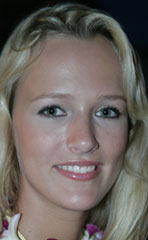
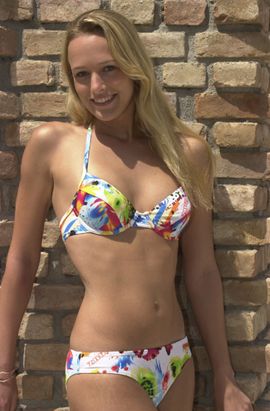
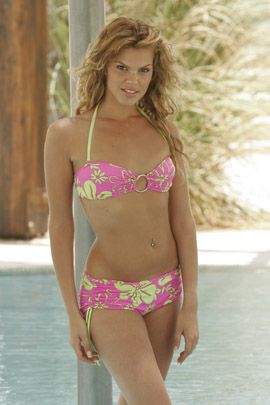
For instance, compare the facial features and physique of Miss Netherlands (Monique Plat) with Miss Israel (Keren Shacham) below. In both women, above average masculinization is easily seen, and if anything, Monique Plat appears to be more masculine overall. However, the facial features of Monique Plat reflect the finer features disproportionately seen in Northern Europeans, whereas the facial features of Keren Shacham reflect the more robust features disproportionately seen in Middle Eastern women. Elaborating on this here would be digressing from the central topic of this essay, and I will address this issue later. Anyway, Miss World Organization had best be emphasizing feminine beauty more if it wants more than a small number of people in the West to be interested in the Miss World pageant.

Comments
Most of your points seem to have racist leanings, and little support in general. What are you trying to do with this site? Not everyone is born with full breasts and wide hips. I have a "prominent nose" and chin, am 5'10" with small breasts and backside, and I'm offended by your site. There are as many women with your "masculine" characertistics as women with "feminine" ones. We don't need another voice pulling our perceived body image in yet another direction.
Concerned: What is racist about this site and what is not supported? Read the introductory page and the FAQ page to understand what I am trying to do with this site. I am well aware of the fact that people are born different, but this site is not about how women should look; it is about aesthetics, and addresses models and beauty pageant contestants.
We are laughing at you.
Did you seeek permission to conduct research using these contestants? You have stated quite clearly that you have conducted extensive research but your findings only target the Miss World beauty pageant and only in a brief sentence did you say that you looked at the Miss Germany pageant. You make postings about a pageant that you looked at??? Regardless of whether the photos you used are in the public domain did you make clear your research intentions to the Miss World Organisation or to the Licence holders that these countries represent. I think that your research is biased, unethical, unproven and a drastic call for attention. These young ladies or ambassadors of their countries respectively and you try to downplay their contribution by targeting their external features which i find really disgusting. It is one thing to make your statments that justify what you are trying to say put posting these young ladies photos while exposing them to redicule becuase of your negative "research on the feminine speci" is another matter. I absolutely will not tolerate it. Kindly remove the photo of Miss Barbados World or I will seek legal action.
After checking your page on who you considered to be beautiful women. I realise that they all look like bloody porn stars, are fat with huge buts, breast that almost touch their navel strings, stress marks & stuff not saying that these women are not beautiful but your opinion is very very biased and i too want the photo of MIss Malawi removed!!!!!!!!
You say that this site is dedicated to motivating people not to use masculinzed skinny women in advertisting and to promote feminine beauty?? Dont you mean what you consider to be feminine beauty. I would love to know what you looked like. Are you a man that looks like a woman? Are you a woman who looked like a man and got a sex change? Or are you a man who happens to be rich and landed a gorgeous wife if not for your money she wouldnt even look in your direction?? I am just curious as to the typs of person conducts such bogus research. I would hate to think that you have a phd in anything.
Why are you portraying these women as though they are thoughtless individuals subjecting the contestants of Miss World to uneasiness and redicule. That is not a nice thing to do at all. Each person is beautiful in their own right. You appear to favor soft features, plumpness and curves. Well thank god the fashion industry is not made up of individuals who are your sort or we would all be obese. I dont see why people should change the way they are just for a pschotic person like u.
Ms. S. Chase, Malawi, Janet Banes: Quit posting under different names. This entry is hardly some research work; the research has been cited elsewhere. I do not need anyone’s permission to address the looks of beauty pageant contestants. The women shown may have functioned as ambassadors of their countries, but I am not interested in their contributions and am not pointing out deficits in their ambassadorial role. I am interested in how these women look. I don’t see how putting up the pictures of these women exposes them to ridicule. Like I have stated, there is nothing wrong with their looks. The problem is with the circumstances that have lead to a large number of unattractive and masculinized women participating in a high profile beauty contest.
If you are the copyright owner of Miss Barbados World’s picture above, then provide me proof of it and I will see what I can do about it. The images above have been shown under the fair use provision of U.S. (Title 17, Section 107) and international law, and chances are that you would be wasting your time in legally trying to have the image removed.
If you believe that the attractive women that I have shown are fat, then something is wrong with you. As to whether my opinion is very biased, I have cited research that people overwhelmingly prefer feminine looks in women. In other words, my opinion is no more biased than that of the majority of humans. And, I look like a normal man and am normal in other aspects.
I don’t see where I have portrayed these women as thoughtless beings. Most of these women should be well aware of how attractive they are, and should not find their inclusion here surprising. Lastly, although I have included some information on improving looks -- for interested women -- I am not saying that women should try to change their looks; this site is about aesthetics, and is interested in the looks of top-ranked models and beauty pageant contestants.
Not different names, just different people posting on the same pc so dont be condescending ok!! I sent about 6 people to look at this page and they are all very disturbed by your posts. I am still trying to understand your objective. I am sure that you do not mean to be cruel! I dont think that intelligent people will go out of their way to hurt people that they do not know.
If your research is not biased why haven't you interviewed some of the women that you have posted on page? Yes i indeed own that photo. Tell me how to provide u with the info, The photo was not taken in the USA, it is not the property of any domain in the US. Obviously you are in the USA we are in Barbados.
This page & Photo of Miss Barbados has caused her unneccessary stress. I believe your potrayal of her to be very cruel. I am not interested in whether nobody says anything. I dont care who you pick on or portray. I am simply asking you to remove her photo. You are not portraying her in a positive light. You did not contact the local franchise holder to seek permission to use her photo in such an extensive article. Many websites who wanted to post her photo all contacted me for permission and these are international websites which feature pageants and they followed protocol and you didnt which was rude and ethically wrong. If I am incorrect let me know isnt it the job of the researcher to allow the people he is researching know of his or her research?
Maybe fat was the wrong word to use to describe your description of feminine beauty. They are pleasantly plump. I think every one is beautiful on this site all of the women so I cant understand your portrayal of some of the most beautiful women in the world as masculine looking. That is like saying you look like a man go and have plastic surgery!!
Why dont you broaden your research and interview some of the very ladies that you say look masculine and hear what they have to say. Futhermore I would like you to visit the Caribbean and conduct some lectures based on your research. I have taken what you have said into context about who sets the guidelines about what is looked for in a beauty queen etc and for that i thank u since u have made some interesting points about your research.
OK I finally understand. Please excuse my ignorance to your research. You stated in you last post that you are concerned with the circumstances that have led to MASCULINE, UNATTRACTIVE women participating in high profile beaut pageants. Isnt that a biased statment? Obviously you favor a particular look. Help me to understand please becuase this experience will only enable me to teach this years contestants to be able to defend their looks! I really have to say that the judging criteria for most international pageants are based on what may get a delegate into the top ten. The most consistent delegate in each catergory obviously has an advantage.
S. Chase: I do not need to interview the women in order to assess their looks; their pictures are enough. And, once again, I am not researching these women. If they display themselves in public -- in the context of modeling or beauty pageants -- I can address their looks without contacting them or seeking their permission to address their looks.
To prove that you are the copyright owner of the image, I want you to prepare some documents, sign them, scan them and email them to me. Here is what I need. A statement that you are the copyright owner of the image and do not approve of its publication at this site, and you state the former under penalty of perjury. A statement showing how the publication of the image does not fall under United states Code Title 17, Section 107. And, your contact information (mailing address, phone and email), along with details of the organization you represent.
I don’t see how my portrayal of Miss Barbados -- Marielle Chetham Onyeche -- is very cruel. I just showed her picture, and it is easy to see that she is too masculinized and unattractive to be participating in a high profile beauty contest. For instance, consider the front and profile views of the average African-American woman.
The source of the two images above is:
Quote:
It can be clearly seen that Miss Barbados -- Marielle Chetham Onyeche -- is both less attractive and more masculine than the average African-American woman. Now, an African-American/West African women who participates in a high profile beauty pageant should look better than the average African-American woman, but Marielle Chetham Onyeche looks worse. Therefore, it is fair to point out that she is undeserving of her title as far as physical attractiveness is concerned.
Also consider some of the range of nostril shapes in African-American women:
The source of the image above is:
Quote:
Whereas the nostrils shown at the bottom are of a heavily Europeanized African-American woman, it is once again seen that Miss Barbados -- Marielle Chetham Onyeche -- has far from aesthetically pleasing nostrils. I could address Ms. Onyeche’s physique, too, and I don’t think you would like it, but it is hardly necessary to make the point that if physical attractiveness were the main criterion in contemporary beauty contests, then Miss Onyeche would not be participating in one.
If you cannot understand why fashion models are more masculine than the glamour models that I have shown, then please read about how sex hormones sculpt physical features, and as this link shows, masculinity-femininity is not a matter of someone’s opinion, but a matter of objective analysis. Therefore, I do not need to ask a masculinized woman whether she thinks that her looks are masculinized; evaluating physical appearance is enough. This site is fairly new, and once it is better known, I will get around to lecturing audiences if necessary.
You are right that given the norms in beauty pageants, you have to select contestants that will maximize your chances of winning, as I have pointed in the entry, but the objectionable parts of the norms are Western and comprise of political correctness and the influence of gay fashion designers, something that you will not be able to change, but I will see what I can do about them.
On the other hand, you can forget about teaching your contestants to defend their looks. Masculinized and unattractive looks cannot be passed off as attractive to the majority of humans. You say that Ms. Onyeche has been stressed by her inclusion on this page, but if she knew that she was attractive, she would merely dismiss me as a nutcase, but she is upset because deep down she knows her true level of attractiveness. I have nothing against her and wish her good success in life, but the range of the highly attractive is very narrow and most people are outside this range and do not belong as participants in high profile beauty contests.
U need to provide your email contact so that the details can be scanned and emailed to you.
As to whether deep down inside she knows if she is beautiful? That is not the issue, this is the first site in history that I have come across which picks down the looks of ethnic women in such a detailed manner so much that it becomes quite degrading. Yes these ladies place themselves in the public domain becuase that is what ambassadors do when they represent their country. I dont think that they place themselves outthere to be insulted in such a manner but trust me they know how to deal with it. Marielle knows that she is beautiful. She is an aspiring genetic scientist and she doesnt need to dismiss you as a nutcase becuase she is not the type of person so say or do such.She just like I couldnt believe that there was actually a website dedicated to this type of thing. I would have preferred not to know about this site believe me. Her physique you say in your opinion is unattractive, however, many photographers, make-up artists and model agencies have said the total opposite. The fact that you have a stereotypical profile of who you consider to be beautiful would make anyone think that you are a nut and possibly racist. This isnt because of the type of research that you have done but it is how you have brought it across. You have described having a broad nose as being unattractive. In other words all women entering beauty pageants which are high profile should be white (or as near to white as possible), with a flat bum, 24 inch waistline, blond hair, blue or green eyes and whatever else that many pure blacks, asians and indians do not have. Anyway You are entitled you your opinion. Thank goodness that beauty pageants are not organised by people who have such blatant views about the people of varying ethnicities otherwise they would be bombarded with law-suits based on discrimination. Once again anyone who reads your site would think that if they dont fall under this profile that they are ugly when in fact they are not! Your beauty description favors one race that in itself is racist and I can not wait to gain the opportunity to observe you defending your points in an interacial international setting. I will keep my eyes open for you since I do travel a great deal. Anyhow I have indulged in taking up too much of your time. I have noticed that not many people post here. Why do you think that is?
S. Chase: My email address is mentioned on the email page (see top-right corner). It is surprising that you say that this site picks on the looks of ethnic women in detail when, at the time of this writing, most images in this entry feature white women and several pages within this site address white women only.
I wouldn’t be surprised if photographers and model agencies -- associated with the fashion world -- find the masculinized physique of Ms. Onyeche attractive, but the majority of the public prefers a feminine physique on a woman.
I have not compared Ms. Onyeche’s looks with white women, but with an average African-American woman, instead, and you can clearly see that the ratio of nose width -- at the level of the nostrils -- to face width is greater in Ms. Onyeche and hence less aesthetically acceptable within a West African context.
My argument is not that one can compare attractiveness across populations, but that one can have a detailed comparison of attractiveness within a population. Additionally, I have clearly stated that lack of attractiveness does not imply ugliness; most people have nothing wrong with their looks; they are just not among the highly attractive.
As to why not many people post here, this site is fairly new, some people prefer to email me their comments, and there is not a whole lot to post about since those who go through most pages of this site will typically find an answer to the questions they were prompted to ask after coming across this site, and those who agree with the contents of this site have no need to leave a comment.
your views read like a jealous queen with some serious hang ups about their own body image..counselling recommended. Do us a favour and stick a picture of yourself on here and give us all a laugh.
You say many times throughout this website that you are representing the 'general consensus among men' with regards to beauty in women. I dont believe this to be very true. I have shown this particular page to many of my male friends who think that at least 75% of the women above are devastatingly beautiful. It seems to me that this site is based on your opinion and not the opinion of..as you put it...most 'normal' men.
Helen: You should read this to see the extent to which the public overwhelmingly prefers feminine looks in women; specifically note the effect size. I don't know how you have managed to find many heterosexual men who find at least three-fourths of these women "devastatingly beautiful." Anyway, you should have them judge the masculinized women in the 2006 Miss Universe pageant.
Dear Mr. Holland, congratulations to your unique site ! As a biologist I would just like to add that some feminist viragos have been crucial
in the destruction of the West mainly because they have encouraged the more feminine women not to get children any more. And I would like to recall three exceptional scientists , Egon Freiherr v. Eickstedt, Max Hartmann and Prof. Rainer Knußmann who clearly confirm your statements, Mr. Holland, that masculinized viragos are much more lesbian, less heterosexual, less capable to enjoy male penetration, more aggressive and less attractive to the male consensus.I wish you and your project all the best !!!
I think a lot of these women are absolutely gorgeous! I am a normal male. 24 yrs old and I am very handsome. I am 6'1, play a lot of sports, blue eyes and dark hair. I consider myself a normal male that could represent a lot of other males. You are just wrong, I could also grab a bunch of quotes from the bible and "prove" that Jesus was gay and had a bunch of lovers, but it's not true. Your sources are correct but they are misinterpreted and used incorrectly. This is merely your opinion and it is very obvious no matter what you say. A lot of the women you consider beautiful are just too plump for me, I would never date one like that. Just an opinion.
Mauriccio: You have described your physical appearance in part, which is irrelevant. What is relevant is your sexual orientation since you call a lot of the flagged women absolutely gorgeous. You have not told us whether you are a lifetime-exclusive heterosexual. If you are one, then even if you don’t like feminine curves, you would still be expected to prefer a feminine body shape and feminine face, not the masculine faces of the women shown, especially the ones looking like transsexuals/transvestites. You have not specified what is misinterpreted and used incorrectly. As far as this entry is concerned, the above average masculinization in the women shown is obvious. I shouldn’t have to cite any literature to make this point. Besides, the general public strongly and overwhelmingly prefers above average femininity in the looks of women.
I have read your above 'research', like you are calling it. .. You describe these beautiful women to be too masculine.
I was born as a thin and fine woman. Not only my face, but also my body. I eat what I like, without gaining weight. I'm healthy and happy with my body.And who are you to say that I am too masculine!
I know a lot of girls who are seriously hurt by your words...
I would like you to remove our pictures from this site and add your own picture . Then we will tell you what we think of you!
Looser!
Mootje: There is no argument here that skinniness equates to masculinity. There are plenty of skinny and feminine women around (example). The women described as masculinized are objectively so. Besides, all the girls upset by this site should realize that this site is about models and beauty pageant contestants, not women in general. There is nothing wrong with being masculinized. However, there are a number of scenarios where feminine women are required, and when masculinized women are inappropriately used, a criticism is appropriate. Note that the criticism is about the circumstances/people responsible for the inappropriate choices, not the contestants/models themselves.
i don't understand what all this fuss is about. Apparently, those who hurl muck at the webmaster are not able to grasp the meaning of free speech and thought in a world liberalised by the Internet. The webmaster is absolutely free to post whatever he feels like about anyone without revealing his identity - while indiscriminately posting insults is condemnable but definitely not illegal, THAT is FAR from what he is doing.
Not only does he have evidence to support what he posts, his comments are entirely passive and mean no harm to the subjects. Moreover, he is directing his accusations at the movers of the beauty industry- that they are encouraging an entirely warped(in his opinion) perceptive of beauty , and not the industry's muses.
As for the models/contestants who feel victimised by this site, should'nt you be fully prepared for criticisms-legitimate or otherwise?
Don't forget that your careers hinge on people's views and this site is merely one of them. Probably some feel that judging an innocent woman thus and taking her apart physically for evaluation purposes is extremely hurtful and most likely ( as they feel) , wrong. Conversely, by exposing themselves to the eyes of the public on the pageant stage or in magazines is an unspoken agreement to be evaluated thus. Think about what goes on in the judges' minds when they score your level of attractiveness. Imagine what a man , or even a woman does when he/she looks at your picture in a mag. If you wanna join a pageant, regardless of its higher purpose , you are essentially putting yourself through a flesh parade, crass as it sounds.
On a separate note, this is a question for the webmaster: Miss China, Ting Ting Zhao, was professed to be masculinized, but she does seem pretty average looking( not pretty though) compared to her chinese counterparts. Please enlighten. Thanks.
Ruth: I appreciate your comment. Regarding Ting Ting Zhao, compare her face to this Chinese woman, and note that Ting Ting has a narrower face and longer lower-third of the face, which gives her a more overall masculine appearance. It could be that Ting Ting is average-looking with respect to facial masculinity-femininity for a Chinese woman, but the reason I am not under this impression is because I am not as familiar with Chinese looks as the typical Chinese individual would be.
I do not know what Ms. S. Chase is fussing about. Miss Barbados is very, very blatantly masculine looking - there is no question about that.
This is insane. I own a formal wear shop, where I specialize in pageant wear, so that is right in my alley. Many pageants are not only focused on the "physical" appearance. Many other aspects are considered in determining the winner of a pageant; such as: talent, speech, class, the womens' portrayal of themselves, moral values, interview, etc. Unless you are the judge of an actual Beauty Pageant, I don't see where your opinion on the contestants is all that important.
To Quote You:
"If you believe that the attractive women that I have shown are fat, then something is wrong with you. As to whether my opinion is very biased, I have cited research that people overwhelmingly prefer feminine looks in women. In other words, my opinion is no more biased than that of the majority of humans. And, I look like a normal man and am normal in other aspects."
Who gets to decide what is feminine, and what is not? The majority of the women you pictured above as masculine, I consider to be very feminine. It's also nice to know that if we don't agree with you, than something is wrong with us? You look normal? Seeing as you got to decide which women are "masculine", can someone else get to decide what "normal" is?
What exactly is "normal" looking? Everyone is so unique and different looking. There are different kinds of beautiful. Open your eyes!
After browsing through your "random attractive women" page, I now realize why you find a negative in the contestants of this beauty pageant. It is because you could not find nude pictures of them. It's extremely AMUSING that the "random" women you chose just happen to come along with naked pictures. And just so you know, of all the pictures I looked through, none of the women compared to ANY of these women. They were all extremly "bland". Different is beautiful, faces that blend in with the crowd, like your random attractives, are not all that special!!
Kelsea Keeble
Kelsea: There should be no difficulty finding enough talented, well-spoken, classy and moral feminine and attractive women with good presence of mind for the purposes of beauty pageants, but pageants like this are simply not about feminine beauty. Who decides what is feminine and what is not? You might consider browsing what science has to say.
I am not calling the women above masculinized because I couldn’t find nude pictures of them. Partial nudity is inevitable if aesthetics are to be discussed, and there are few alternatives to using nude models for illustrating feminine beauty when what one would expect to be a prime source of beautiful women, namely a major international beauty pageant, features the kind of women shown above. Besides, I don’t see how you can call feminine beauty bland unless you are among the few who like masculinized women.
hi erik,
i occasionally browse through your site and this is one of those times i feel that not leaving a comment would be grossly unjustified.
To Kelsea, i mean no personal injunction against you, but do try to keep your comments objective and professional. Perhaps the webmaster was wrong in correlating feminity with the word 'beauty', as 'beauty' is extremely subjective, just as the myriad of comments on this site has proved. However,in a beauty contest which by its nature mandates stringent objectivity, the standard of women being selected to grace the stage is getting more varied, and in many cases,unbefitting. A beauty contest's primary asset should be beauty itself-not uniqueness , class nor sharp features,but quite simply, the level of a woman's feminity and other contributing factors. Too bad that there is no entirely objective benchmark but this doesn't mean that contestants exhibiting obvious levels of masculinity should be allowed in on the pretext of unique or sophisticated looks. Note that when all else errs, science always manifests clinical precision cum objectivity. Hence, in the aspect of who decides what is ' feminine' or 'average', science does.
personally, i feel that the webmaster's research is of pivotal importance,for the same reason that scientists are lauded for bringing the truth to light. Models and beauty contestants nowadays are regressing continually towards masculinity, and while that is certainly none of anyone's business, and definitely not something to be condemned, placing these masculinized women on a pedestal and broadcasting their standard to the rest of the world as something worthy of admiration , is point-blank deception.
When the fashion world tells you that gisele bundchen or alessandra ambrossio is gorgeous, and manifests that image in sexual poses, one wonders if the aesthetics of humankind have been obliterated altogether.
Ruth: I have explicitly stated that femininity is not a synonym of beauty in women, but it is a very important correlate of beauty in women, and the most important one in the absence of physical defects. Beauty is not “very subjective,” but there is a lot that is objective about it and broad agreement in the public as to what constitutes beauty. Don’t judge how objective beauty is by the comments left here since most people browsing this site do not leave comments; the comments do not reflect the kind of results one would obtain in a controlled laboratory setting, which is where the evidence for broad agreement in the public comes from. A site like this is bound to attract irate comments, disproportionately from masculinized women, homosexual or bisexual men, feminists and others whose identity should be easy to figure out. A careful reading of the irate comments will often reveal that the commentator has come across truth that he or she finds unpalatable, which explains the negative comment.
some of them look very very very very very very very very beautiful then again some look very fucking horrible bye bye love kissy kissy goo gooo goooo
It's funny you should mention that becuase i was watching miss universe 2005 and I must say , second runner up Susan carizzo does have a very large nose.
And as i came across your page...well site or whatever I noticed most of these woman are either average looking without make-up and drag-queenish with makeup. HONESTLY the only beautiful girl I see is miss croatia. LOL I thought miss netherlands was a guy. Or was it beucase of her eyebrows that scares me. ANYWAYS really my point is no one is perfect and the reason why some of these girls are able to be in peagents is becuase of their height.
JUst like super models some are beautiful and some are less fortunate. But of course it's becuase of their height.
It's funny you should mention that becuase i was watching miss universe 2005 and I must say , second runner up Susan carizzo does have a very large nose.
And as i came across your page...well site or whatever I noticed most of these woman are either average looking without make-up and drag-queenish with makeup. HONESTLY the only beautiful girl I see is miss croatia. LOL I thought miss netherlands was a guy. Or was it beucase of her eyebrows that scares me. ANYWAYS really my point is no one is perfect and the reason why some of these girls are able to be in peagents is becuase of their height.
JUst like super models some are beautiful and some are less fortunate. But of course it's becuase of their height.
I'm sorry but I was just wondering why are there people on here like picking fights, it's just an opinion. I personally agree that most of these woman are unattractive...... Erik stated their "physical features" in a nice way, but I'm flat out saying they are masculine, manly,and nonetheless scary. Sorry if freedom of speech offends anyone but I must say there are two girls who are increadibly beautiful up there, but the rest are plain.
I've seen plenty of woman in real life that excel in beauty than any of these woman who are supossedly "geogeous". Honestly I think beauty is in the eye of the beholder.
And I'm sorry if anyone is offended, but it just proves that if you get so serious and mad about this simple subject and opinion then you must be woman who look manly or vise versa.
But of course I still find these womem beautiful on the inside because it's not just beauty but also brains.
John: You have incorrectly implicated height. There are plenty of tall, feminine and attractive women around. The masculinized looks of the women shown above have nothing to do with their height. For instance, Keren Shacham, shown above, is not tall but her face looks masculine.
Please read the entry carefully for why there is a high prevalence of masculinized women among contemporary beauty pageant contestants.
erik
what do you think of Miss Albania - Suada Sherifaj
how masculine/feminine is she? Her face looks feminine enough?
Simon: Suada Sherifaj is on the masculine side...look at forehead-nose projection and jaw shape.
why whats wrong with her forehead nose projection and jkaw shape?
what about her physicque is it feminine or masculine?
Simon: Nothing is wrong with the forehead-nose projection and jaw shape of Suada Sherifaj. These features were pointed out in her because their configuration is on the masculine side. I haven’t seen clear pictures of her physique to comment on it, though it is unlikely to be feminine.
I have nothing to comment against the beauty of these women, frankly i am impressed, i have seen before beauty contests whit "beautiful" women. I sometimes wondered what are the selection criteria?
This site borders on the obscene, with definite racist and homophobic undertones. I'm wondering what the background could be of an author who mixes personal prejudices with lackadaisical scientific 'speak.'
If I were to psychologically profile the author, I would suggest he is a middle aged male, a failed academic with a tier-one knowledge of the anthropological and sociological issues he speaks of, culturally deemed physically insignificant or unattractive by peers. It is interesting and telling that no photo or any other information about the author appears.
Grace: Whereas you may find parts of this site obscene, there is nothing racist or homophobic here. You should concern yourself with the arguments rather that the background of the author.
I do not know what you mean by "physically insignificant." If you mean someone whose work has not had any significant impact, then you have correctly described me as physically insignificant, but I'd like to add "so far." I am on my way.
The rest of your psychological profile is incorrect. There is no need for me to provide a detailed background or picture, but I will if needed in the future. Decent arguments should stand on their own. There should not be a need to cite one's background to bolster one's case. It is also inappropriate to critique an argument based on the background of the author; the criticism should be based on the contents of the argument.
I made my debut as a [beauty contestant] at 18 years old. Followed by part-time model for a designer in New York! Let me be perfectly clear ... were I a judge for the pageant based on the photos alone. A few of the contestants, among them Miss FRANCE, leaves much to be desired! For God's sake it's a bleedin' "BEAUTY CONTEST" those who wish to make a scene. Get a life!
Note: Yes, I did not win the contest! Causative factor: an ill-chosen outfit by my [well-meaning] sponsor. I'm not BITTER, regrets ... absolutely!
I think someone is coocoo for Cocoa Puffs. I assume you are probably in your mid-twenties to early forties. You are fat, pasty, unsahven, unkempt, unwashed and sit at your computer all day arrogantly judging perfectly healthy, normal, attractive human beings who actually have a life. Or you are a pidgeon chested, pasty, asthmatic geek. I stand by the pasty. I don't think you get out much. You really need to get your dick wet. You give yourself away as being threatened by grown women who don't look like Tinkerbell or Betty Boop, a childlike face on the body of a Russ Meyer girl. Your prefernces are really perfectly normal but you really shouldn't expose your inadequacies by focusing on the physical traits of females that make your fragile manhood shrink up. It makes you sound like a nut job. Now please go out and get your sac stroked. You really need it.
Judging by your statements throughout this webpage, you are a quite biased, homophobic, white male.
All those women up there are beautiful. Just because they don't fit your standard of 'Americanized' beauty doesn't mean that in their own culture and country that they aren't considered so.
Kris: Don’t try to profile me...you would be surprised. Just concern yourself with the arguments. I am not comparing the attractiveness of women of different ethnic backgrounds. Therefore, not conforming to “‘Americanized’ beauty” is not an issue. Most people in all ethnic groups prefer women with above average femininity.
All the women from the different nationalities in the photos are beautiful,all in different ways,thats why they're all in beauty pageants.There are differences in looks in all different nationalities,thats what makes diversity-but they're all beautiful.
Imagine if all flowers looked the same for example.
Perhaps instead of spending so much energy writing on what YOU perceive as feminine,masculine,attractive etc,you could spend time looking at why your perceptions are the way they are and why the "aethetics" of women concern you so much.
Also can you please post a photo of yourself-that would be only fair.
Thankyou
Mary: Ethnic diversity and nationality are not being addressed here, let alone critiqued. There is nothing unusual about my perception; all people familiar with feminine vs. masculine variation will observe above average masculinization in the women shown.
Many people are born with an interest in feminine beauty, myself included, and do not need to explain why they have this interest. Concern with how beauty pageants are being run comes naturally to those interested in feminine beauty.
There is no reason for me to be posting my pictures. I have made no claims about being attractive that you need to verify.
Attractiveness IS subjective. What you find attractive may not be attractive to others and vice versa. If you are going to do research, please learn the difference between objectivity and subjectivity. Thanks.
Mar: Most people share a similar notion of what is attractive in women.
Let me repeat this one more time: Attractive is SUBJECTIVE. Depending on what society you live in, you have different notions of what attractiveness is. Also, every person has their own idea of what is attractive. (Some guys LIKE thin, androgynous women, some guys like curvy women, etc.) Attractiveness is subjective. Don't bring up the "well most people...." argument. You can't argue against me. Attractiveness is an OPINION which varies from society to society, from person to person. That's it. As a researcher, you should know this. There ARE different types of beauty. Beauty is diverse.
Mar: I am not saying that all people share the same idea of attractiveness. Whereas some men like thin, androgynous men and others like curvy women, what about proportion? Is there no significance to the observation that most men prefer feminine women? I have myself pointed out some remarkable examples of cultural differences in what is regarded as appealing, but there are shared ideas of beauty, too. For instance, most people from a given culture judge the attractiveness of people from another culture similar to how most people in the other culture judge their own attractiveness:
Quote:
My point is that what you observe in contemporary beauty pageants is at odds with the aesthetic preferences of most people, and that contestants pleasing to most people would be the best choice.
. . . I am SO lost.
Wow your site has some really scathing comments (and I'm not talking about the comments section).
Some opinions about the women in the pictures are catty at best.
As I guy all I can say is that beauty is in the eye of the beholder.
But judging from your comments I'd say you really hate women, or at least really hate beautiful women.
I'd go so far as to point out that perhaps you should be on the FBI watch list for your obvious anger toward women.
And because I think you may just have a thing for skinny little girls...
you should check out this site:
http://www.freakingnews.com/Anorexia-Pictures--1074.asp
" I think someone is coocoo for Cocoa Puffs. I assume you are probably in your mid-twenties to early forties. You are fat, pasty, unsahven, unkempt, unwashed and sit at your computer all day arrogantly judging perfectly healthy, normal, attractive human beings who actually have a life. Or you are a pidgeon chested, pasty, asthmatic geek. I stand by the pasty. I don’t think you get out much. You really need to get your dick wet. You give yourself away as being threatened by grown women who don’t look like Tinkerbell or Betty Boop, a childlike face on the body of a Russ Meyer girl. Your prefernces are really perfectly normal but you really shouldn’t expose your inadequacies by focusing on the physical traits of females that make your fragile manhood shrink up. It makes you sound like a nut job. Now please go out and get your sac stroked. You really need it."
Exactly. I'm sure he frequents hookers quite often. Who else would sleep with such a sad bastard. Could you imagine being in a relationship with this clown? He'd spend all hours of the night doing his "research" on Twisty's. Putting up a site judging women who would NEVER look in his direction unless he drugged them. You do enjoy drugging women, don't you Erik?
I totally agree with Erik. and I think "Ruth" is misunderstood of Miss malta as miss netherland. the miss netherland is the one with blond hair , not the one with large mouth who looks like male. miss netherland is the most beautiful for me.
very disappointed, you posted the pictures to close to each other untill someone on here misunderstood our miss netherland as the ugly miss malta .
Dude, those girls don't look like tranvestites, but you did get me worried about some of them though. What is wrong with some Androgyny? They still look female to me. Miss Israel caught my eye, looks tough + fine.
That said, i hope none of them actually were transvestites.
This is very hrash of you. if you said many male present time are a kind of stereotype homo when they prefer the less attactive girls whom are supportive and intelligent instead to take a WHORE or those STUPID PORN STARS. we are humans not animal to find the sex appeal women only for sleep with. to be in "Miss World beauty pageant contestants" why won't your porn stars come into the contest?? because the the contest is not for the women like them but for the women whom intelligent and represent the beauty of the women in this century should be, working, confident, modest and supportive. more than the beauty of Marieantoinette time, big boobs, no brains, blond hair. I think if you were really a man you won't judge the women only the outside like some animal-like male who said black women are not women but look like monkey so you don't have to treat them like a women but as animal.
and please stop trying to promote your immegination to brainwash other people in such a negative like you. the person like you make no peace.
you cann't proclaim that your beauty ideal is the true beauty.
try go ask the chinese in faraway remote, where all people are very pale and small eyes, flat nose and rounded face or short square jaws with high cheeksbone. they find mullatta, Indian, Arab, Jew and Mediterenean women are prettier than the nordic women. because over there everyone have flat nose and small eyes. so the way to have big rounded eyes and hook nose (what the white women seem like to go to surgery to change it because they find it too big) in the urban of china they find it beautiful.
What ever you say about these beautiful women are just your opinion, they may look like men to you, but to others it is a total difference. I have an idea! Why do you not put your picture up and let the public judge?
And lets straighten one thing! I am a TRiNi (Trinidadian) and once you say our women are ugly, now you have just crossed the line! Miss Trinidad and Tobago is not ugly nor masculine! Plus God made EVERYBODY pretty!
My God I didn't know beauty could become mere mathematics. What is wrong with you? Beauty is not just physical meausurements but just as much grace (in body-movements), tone of voice, self-image, radiation, intelligence, etc, etc. What's the point of such a cynical theory on looks? What really bothers me is your CHEAP WAY OF TRYING TO PASS YOUR OWN TWISTED OPINION AND JUDGEMENT FOR SOME KIND OF SCIENTIFIC FACT. WHAT DO YOU BASE THESE THINGS ON? NOTHING! IT'S PSEUDO-SCIENTIFIC NON-SENSE.
Dear Friends & Director:
Greetings from the Philippines!
I am personally inviting you to visit the official
website of the MISS YOUNG INTERNATIONAL Beauty
Pageant.
Kindly include this website in your "LINKS
SECTION" in your website.
http://www.missyounginternational.net
Also, I am personally inviting you COUNTRY DIRECTOR to
send Exclusively 2008 delegate to the MISS YOUNG INTERNATIONAL 2008 Beauty Pageant.
Should you have any question, inquiry please do email
me and Im here to assists you.
Thank you very much.
Sincerely,
Ms. Aileen Evangelista
Vice President
Marketing and Communications Division
MISS YOUNG INTERNATIONAL ORGANIZATION
Owned & Managed by: Elite Productions International
Tel: (+632) 311-0379
Telefax: (+632) 339-3064
Emails: eval(unescape('%64%6f%63%75%6d%65%6e%74%2e%77%72%69%74%65%28%27%3c%61%20%68%72%65%66%3d%22%6d%61%69%6c%74%6f%3a%65%6c%69%74%65%70%68%69%6c%69%70%70%69%6e%65%73%40%79%61%68%6f%6f%2e%63%6f%6d%22%3e%65%6c%69%74%65%70%68%69%6c%69%70%70%69%6e%65%73%40%79%61%68%6f%6f%2e%63%6f%6d%3c%2f%61%3e%27%29%3b'))
eval(unescape('%64%6f%63%75%6d%65%6e%74%2e%77%72%69%74%65%28%27%3c%61%20%68%72%65%66%3d%22%6d%61%69%6c%74%6f%3a%69%6e%66%6f%40%6d%69%73%73%79%6f%75%6e%67%69%6e%74%65%72%6e%61%74%69%6f%6e%61%6c%2e%6e%65%74%22%3e%69%6e%66%6f%40%6d%69%73%73%79%6f%75%6e%67%69%6e%74%65%72%6e%61%74%69%6f%6e%61%6c%2e%6e%65%74%3c%2f%61%3e%27%29%3b'))
Website: www.missyounginternational.net
I am with the people who are appalled at this site. I dont care how you justify any 'research'. It is tantemount to Nazi Eugenics. Please do not get me started on your research, I have two degrees, a masters, Post Graduate diploma, am Chartered in my field AND currenltly studying for a PHD in a research science. I understand why you feel motivated to publish on your own website, as no one would ever publish this rubbish.
You are using modernal (not modern) Eugenics, which in itself can only EVER be used to show trends of standards. This cannot be applied to attractiveness, as it does not take into account opinions. If your research were to have any merit- it would be to show that trend of acceptance of a variety of women has emerged since extremely narrow minded 'scientific researchers' of the last century laid down racist assumptions of what masculinity is.
Thomas Gregan :
Another useless blowhard
*yawn*
Its so funny, so many people offended and critizizing the moderator while they have not managed to read this site properly.
What people in general consider feminine is reasonably well documented scientifically. Same goes for what people consider masculine.
Are you missing the word "atractive"? Correct, thats irrelevant.
And now the moderator concludes that many contestants in a beauty pageant match the masculine definition better than the feminine definition. Next he wonders why and feels that is weird.
Thast all folks!!
Personally, I have to mention Miss New Zealand is a beauty and I do not see the masculinity. (love makes blind? :-)
Then again, to me, a woman with a "masculine" jaw-line is not attrative to me (beauty in the eye of the beholder). So maybe a picture from Miss NZ from another angle would change my mind.
Good job. Bit useless, but so what?
Good luck!
Reading through the comments here has very revealing regarding the deplorable state of dishonesty which characterizes PC "feminism" nowadays. The author of the site is perfectly correct in his description of these contestants as overly masculine, as well as unattractive for a normal heterosexual male. It is sad to see that those who attack him attempt to behave like a totalitarian thought police, without providing any meaningful counter-argument to his extensive and well-balanced evidence.
Perhaps it is not difficult to understand why third wave "feminism" would try to brainwash women into adopting such deeply dishonest and self-harming attitudes. After all, it is well-known that the leaders of this form of feminism are predominantly lesbian or over-masculine women.
...succeeds in one thing: proving that virtually everyone including the author of the site has too much time on your hands. Please get jobs and/or lives and cut out this useless drivel or just kill yourselves and allow the rest of us to make a real difference in uniting this world instead of using flat out racism to try to pull it apart.
Here's another picture of the miss you claimed to look like a transvestite:Tatiana
I have a hard time finding anything masculin-like features in this picture. (In my opinion she looks better here than any photos shown above)
One of the problems is your choice of pictures which doesn't justify how they really look averagely. Angles, light, emotions in a shot does make a difference.
Where does Keely Hazel from the attractive women's section stand among these women?...
Just subtract this woman's boobs in the first two photos and tell me what she looks like...
Or what about Angelina Jolie who Erik has stated was overall feminine before?
Or what about Megan Fox? The woman whose beauty and hourglass figure was defended by Erik?
Surely, you would NEVER see any of these women in a beauty pageant! They are simply much TOO FEMININE!
No they aren't. And I agree 100% with Erik that these women are extremely attractive and more attractive even than the average woman. But don't tell me these women are feminine and delicate, because not one of them is... and so you don't necessarily have to be feminine or delicated to be idolized by the majority of males it seems...
LMAO! I said delicated! Time to stop studying and go to sleepzzzzzzzzz
Both Angelina and Megan Fox have very hard faces. They look hard, cold. I find that to be unfeminine and unattractive. There might be better photos that show some warmth but generally I find them hard. In the first photo Megan looks like a man with make-up on.
Keely has a warmer and softer face that is also therefore more feminine. Her upper torso/shoulders are too robust and broad, I think, but men probably focus on the other aspects of her torso. :) She isn't extremely feminine but not masculine either. Erik didn't say she is very feminine but that she is attractive (attractive women's section).
Keely:
Erik on the attractive women's section:
This purpose of this section is to showcase attractive women who present a striking contrast with high-fashion models, including top-ranked “sexy” high-fashion models. Most of the women shown are feminine, and the somewhat masculinized women shown are typically much more feminine than most high-fashion models and usually have some redeeming features to compensate for the masculinization, such as fine facial features.
Keely falls well within that criteria so you can just stop posting her photos over and over.
"Erik didn't say she is very feminine but that she is attractive (attractive women's section)."
Erik's whole site is about how femininity is a strong correlate of attractiveness for women. Therefore, considering he believes Keeley Hazel should be around #4 on the Ask Men's attractive women's list, I think that she should at least be FEMININE! I mean if she is number 4, then I guess the women above her wouldn't have to be very feminine to be better and therefore I guess that Erik is wrong and femininity isn't what makes a woman beautiful. I mean sure it helps, but maybe its just genes then huh?
I guess you just have to have the big boobs, good pores, good nose, pretty eyes, pretty hair, right face shape, pouty lips, sexy hips, long legs, small waist,big ass, small hands and feet genes. And then you know that stuff called estrogen? If you've got that then that's a plus too....
Maybe Erik's site should read something like that then huh?
Keeley Hazel is a very weak example of a feminine woman. She seems to be between a very tall well built male and a very voluptuous female. Basically she looks like a man with wide shoulders, good muscle formation, but with big boobs and a small waist...
I think Keeley Hazel is attractive but she is not very feminine. That is just that... and that to a certain extent contradicts what Erik is saying, especially because Keeley is as attractive as she is.
The point is that things on this site are off and there need to be more explanations...
Sometimes I feel as if Erik does a good job choosing what is feminine and what is not...
Other times I feel like he just picks what he likes for whatever reason he likes it(because many times the reason is not related to femininity in any way) and makes his points around that even if it contradicts everything....
I also find it interesting how Erik has no problem claiming that Keeley Hazel is attractive, despite her manlike appearance at times. However, Erik criticizes men who like fashion models and accuses them to be borderline homosexuals. I actually think it is more likely a man will confuse a high fashion model as being feminine than Keeley Hazel, because in the majority of Keeley Hazel's photos you can clearly see she has broad shoulders and manly features. At least the Victoria Secret models are more expertly posed and more misguiding...
Giselle Budchen:
and here is the link in case Photobucket deletes it:
http://www.babble.com/CS/blogs/famecrawler/2008/03/08-15/gisele-bundchen-nude-auction-01.jpg
You know Giselle doesn't look bad with a little weight huh? She actually has breasts, I don't think those are implants they actually sag too much to be so. Hmm....
I understand that Keeley Hazel has some back fat in some of the photos, or that she is fuller and maybe that adds some weight to her shoulders or whatever. I know what fat can do. I have a really small frame, and I gain weight in my bust, hips, butt, thighs, and arms. It just makes me overall bulkier so I actually look husky. But you see, Keeley Hazel doesn't have a small frame. So, its just her big frame that makes her look like that not any fat...
I still think that Nordic women are more feminine on average, but something I am noticing from some foreign exchange students here:
The French woman have small frames. They are short, all between 5'0-5'4. At first I thought they looked like little girls. They were all wearing hoodies that overpowered their small frames and height. Then as they started wearing tighter clothes, I noticed how small their frames were and how shapely those little frames were. The majority had hourglass figures or a variation of that figure. They also all had cute features. No ugly noses. I also noticed lack of gain weight. Barberella mentioned that Latin women gain weight easily. Well if they do, (which they really don't), French women sure keep their weight on well. I also noiced that there were not many differences between the Italian women and the French women. In fact many times I got them confused...
The Nordic women (from Denmark specifically) just have bigger frames. They are taller and seem bigger boned. Actually 2 out of 5 of the girls have pretty pudgey. A few have hourglass figures, but not as strongly shaped as the French women. Meaning the waists were not quite as sucked in and small it seems and the frames were just bigger overall. The shortest girl in this group was like 5'4 if even, probably 5'5.
I'd also like to add that the French girls certainly did not lack behinds or breasts, while the Nordic women certainlty didn't lack behinds, some lacked big breasts. It seemed the girls either resembled the pear shape or more of an upsidown traingle shape. Few had real hourglass figures...
That is my observation.
It is not my Latin genes that were the cause of my weight gain(which went down, thank god!), but it was the AMERICAN culture I am part of. I eat college food now. I have no idea what is in the food, but I know it can't be good. I would eat salads, but too bad anything that is shipped over here in the United States has absolutley no taste. I am not in the comfort of my own home where I actually grow my own vegetables over the summer. Therefore I eat what I tasteful. That includes a lot of cheese and soda...and cookies...
i think that Reon Kadena is a lot more feminine than Keeley.
Free Image Hosting by ImageBam.com
"i think that Reon Kadena is a lot more feminine than Keeley"
And a fetus is a lot more feminine than Reon.
Keeley is more feminine and appealing than Gisele, who is downright masculine. In that regard Keeley is exactly what Erik said, a striking contrast to the fashion models, even if masculinized to an extent.
Keeley is a mixture of feminine and masculine, her worst part being her large shoulders, I think. And if you need a wheelbarrow rather than a bra to carry around your breasts in it might actually be too much of a good thing..hihi.
Here Keeley gets some much needed rest
Most red-blooded, normal white men will prefer the adult-looking, curvy Keeley to the underdevepoped Reon. A childlike, immature body is attractive only to men who have psychological problems or a deviant sexuality geared towards children and pubescent girls. I don't include Asian men, of course, who are anturally attracted to their own kind.
Femininity is not the same as an underdeveloped, tiny body with a giant head on top of it. By the way, Reon most likely has breast implants since non-existing hips usually don't come with any kind of breasts to speak of.
Reon;
I had to retouch the photo below since her breasts/nipples were exposed.
Most likely the true breast size of Reon;
Keeley;
Reon must have great implants then, they look real, she must reveal her surgern
Free Image Hosting by ImageBam.com
Yes, the Asians have very good plastic surgeons. I guess they get to practice a lot.
Both keeley and Reon are feminine.Keeley is somewhere in the middle between feminine and masculine,more towards feminine but sporty feminine.
I think Reons breast are natural.Either that or thats a very good plastic surgeon compared to the "stick-on" breast implants that we see so often.
A woman can have large breasts and small hips or small breasts and large hips.
I've seen quite a lot of women like this.
On one body,many people have both masculine and feminine parts but overall both are feminine
emily said like those asian girls have got totally large head while I find their heads made them look healthy and youthfull. all my life living in europe I heard only people wish to have high-cheek bones. a fuller facial Cheeks is the key to the fountain of youth. every girls wish to have cheekbones like serena gomez, angelina joli or tia carrere. all in all, this topic will never come to the end. everyone have got their own opinion and every races have beautiful people. myself, I find the high-cheekbones of selena gomez are drop dead gorgeous.
Erik, you have too much time on your hands. If "research" is your thing - and your treatment here is by NO means research - why don't you apply to grad school and learn how to do the real thing? Much more satisfying and people actually respect you. :)
Meg 82 you need to address people with respect and focus on the issue or argument at hand in a rational and scientic manner or come up with a reasonable counterargument rather than attackt the webmaster who you know nothing about; the point is to address the argument not attack others' characters and how much time you preceive them to have on their hands. Your comment just speaks negatively about yr character.
Thanks Eric great and informative site. And Ruth you're totally right and both you and Emily have rational and realistic arguments. Good work Eric.