Sometimes I am asked a question of the type:
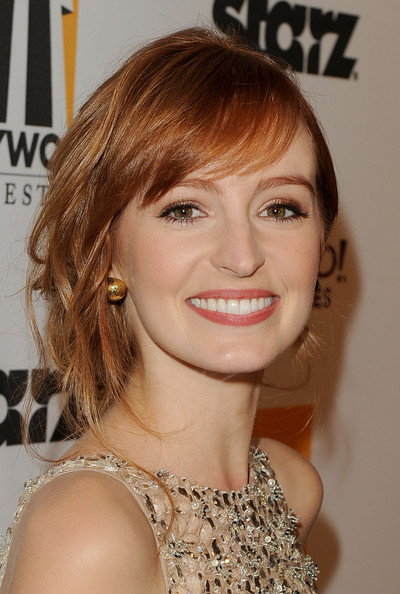
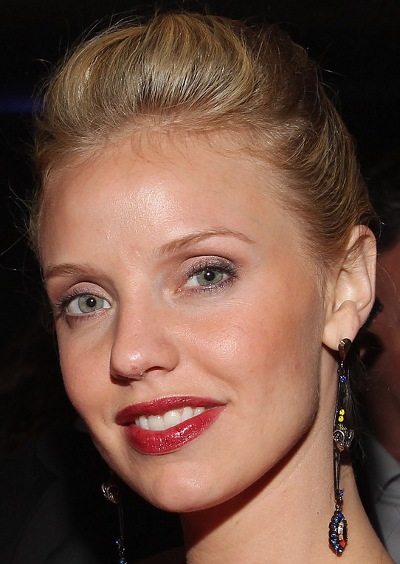
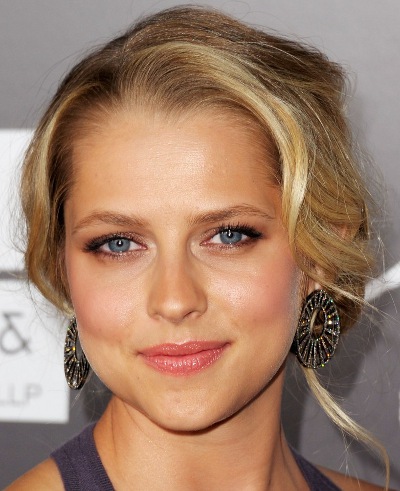
Woman A and woman B both have feature f1, yet you find woman B much more attractive than woman A. Why?
If I have the time to respond, my typical response is in terms of overall looks. Some readers may insist that I explain in terms clearer than overall looks, i.e., identify specific features that are less attractive in woman A. This can lead to a more complex situation, such as:
Woman A and woman B both have features f1, f2, f3, yet you find woman B more attractive than woman A. Why?
If I answer this question, then it may be in terms of minutiae here and there—e.g., wider nostrils, more angular jawline, longer philtrum, etc. This leads to the special issue of the minutiae of physical attractiveness. Whereas it is easy to show broad agreement among people on major elements of physical attractiveness, the agreement becomes less broad on minutiae. As an example, most people will agree that a full head of hair is more attractive than baldness, but fewer people will agree that straight or wavy hair looks better than wooly Afro hair, and an even smaller proportion will agree on a particular hair color looking better than others.
This means that when people ask me the second type of question—whereby two women share a lot of physical characteristics, yet I find one better looking—making me describe the minutiae of why, they may be getting more insights into my personal preferences than into general principles of beauty [either what most people would prefer in the same comparison or what normal, error-free biological design should be producing]. In this case, there is no reason for anyone to have any interest in my personal preferences.
There is a second possibility regarding minutiae. Someone with more than basic knowledge of science can easily come up with articles to put up a show of false erudition. A pretense to knowledge and learning is easily spotted by the learned, but the masses not familiar with the scientific issues discussed here should consider the possibility than my work is often an elaborate justification for my own personal preferences, in which case there is again no reason for anyone to care about my specific preferences.
If I am knowingly putting up a show of pseudo-scholarship, then the reader should not expect me to admit to it. This leaves the interested reader having insufficient knowledge of science with the difficult task of determining to what extent my writings reflect the scientific understanding of physical femininity and beauty, to what extent they represent a sincere effort but mistaken understanding of their nature, and to what extent they represent elaborate justification for my personal preferences without representing insights into the nature of physical femininity and beauty.
Because of the two reasons—the very nature of preferences where agreement on attractiveness is less broad when it comes to the minutiae of many aspects of physical form, and questions about my intentions, motives and methods—readers should not dwell too much on the second type of question as they may not be getting insights into the general elements or nature of beauty.